
Health Systems Strengthening Starts with People, Not Just Processes
Technical assistance succeeds or fails on the strength of the local teams left standing after the consultants leave. Here's how to design for that from day one.
Health Systems Strengthening4 min read
Rosalie Faniyo
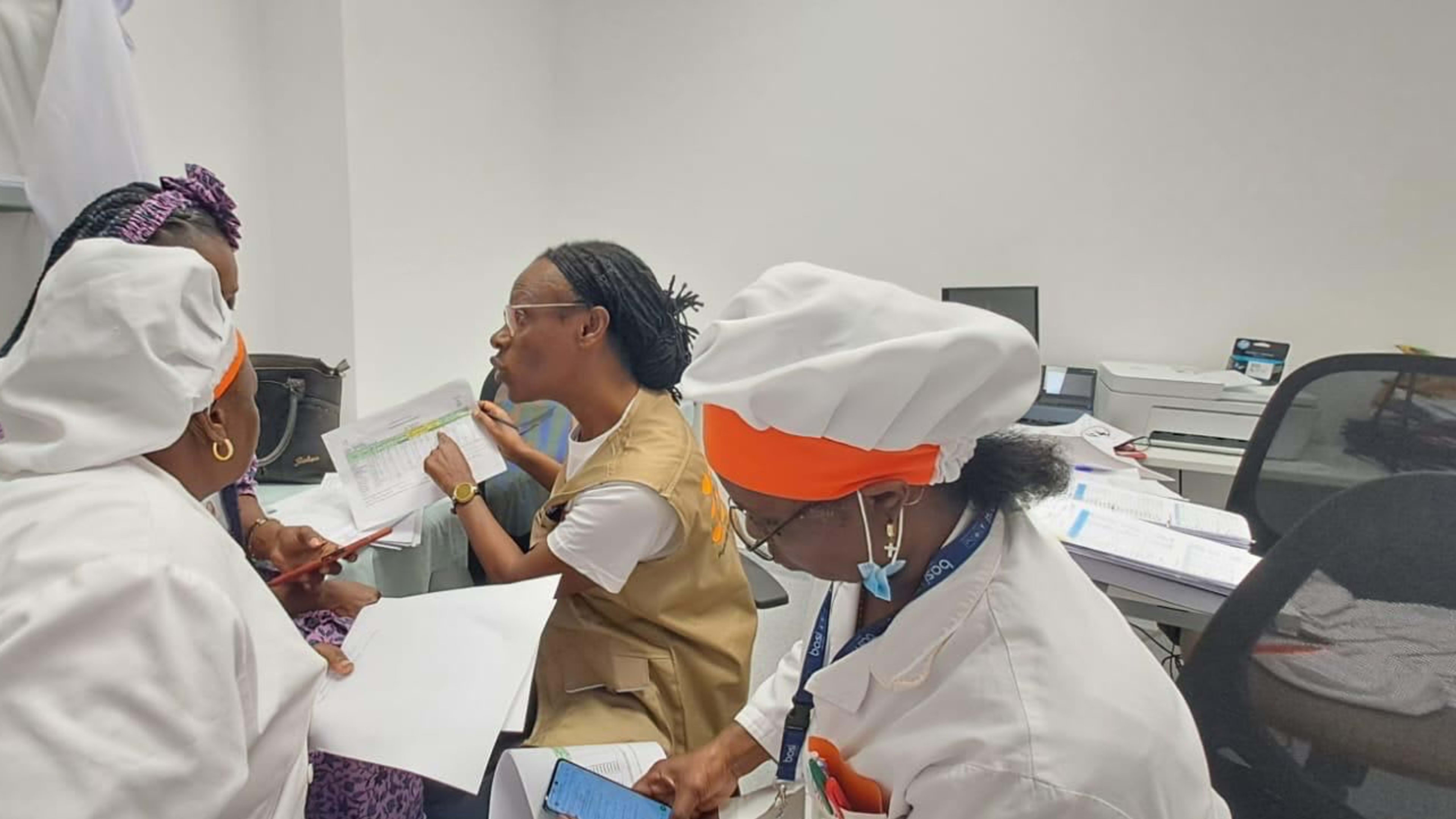
It's tempting to measure health systems strengthening projects by the frameworks delivered, the SOPs written, or the software deployed. But the real test comes after the project ends: does the local team still have what it needs to keep going?
Capacity building that lasts is rarely a training workshop bolted onto the end of a project. It's built in from the start, co-designing solutions with national counterparts rather than for them, embedding technical advisors alongside government staff rather than beside them, and being honest about which skills need years, not weeks, to take root.
It also means resisting the urge to solve every problem with a new tool or process. Sometimes the highest-leverage intervention is simpler: clarifying who owns a decision, streamlining an approval chain, or making sure the people doing the work were in the room when it was designed.
The Ministries of Health I've had the privilege of working alongside remind me constantly that sustainable change is a partnership, not a handoff. Getting that right takes longer than a project timeline usually allows, which is exactly why it's worth prioritizing from day one.
- Capacity Building
- Health Systems Strengthening